



英語では「冠詞」という、名詞の前に使う小さな重要な単語があります。これらの単語は、私たちが話しているものが特定のものか一般的なものかを示すのに役立ちます。冠詞には3つのタイプがあります: 定冠詞(the)、不定冠詞(a, an)、そしてゼロ冠詞(冠詞なし)。それぞれのタイプについて、そしてそれをどのように使うか学んでいきましょう!
1. 冠詞とは何か、そしてなぜそれを使うのか?
冠詞は名詞の前に使われ、その名詞についての情報を追加します。それは私たちに、そのものが特定のものか一般的なものかを教えてくれます。
• 特定のもの: 誰もが知っているものについて話すときは、特定の冠詞を使います。
• 一般的なもの: 新しいものや特定されていないものについて話すときは、不定冠詞やゼロ冠詞を使います。
2. 定冠詞(The)
「The」は定冠詞です。特定のものについて話すときに使います。話し手と聞き手の両方が知っている、特定の1つのものを指すときに使います。
例:
- The book I read last week was interesting.(両者がどの本か知っている)
- I went to the school near my house.(特定の学校)
また、唯一のものについて話すときにも「the」を使います。
- The sun rises in the east.
- The internet is very useful.
「The」を使うとき:
• 話し手と聞き手がそのものを知っている場合。
• 唯一のものについて話すとき。
•「the hospital, the library, the store」などの場所について話すとき、特定の理由でその場所に行く場合。
3. 不定冠詞(A/An)
「A」と「An」は不定冠詞です。特定されていないものや新しいものについて話すときに使います。聞き手は、どの特定のものを指しているか知りません。
例:
- I saw a movie last night.(聞き手はどの映画か知らない)
- She has a dog.(どの犬か分からない)
「A」は子音の音で始まる単語の前に使います(b, c, d など)。
- I have a cat.
「An」は母音の音で始まる単語の前に使います(a, e, i, o, u)。
- She is an artist.
「A」または「An」を使うとき:
• 一般的なものや新しいものについて話すとき。
• 聞き手がどの特定のものか知らない場合。
4. ゼロ冠詞(冠詞なし)
時々、冠詞を使わない場合があります。これを「ゼロ冠詞」と呼びます。通常、不可算名詞や複数形の名詞を一般的な意味で話すときにゼロ冠詞を使います。
例:
- I like coffee.(不可算名詞、一般的な意味)
- Cats are cute.(複数形の名詞、一般的な意味)
ゼロ冠詞を使うとき:
• 不可算名詞を一般的に話すとき(例: water, information, music)。
• 複数形の名詞を一般的に話すとき(例: books, children, cars)。
5. 冠詞を使う際の重要なポイント
冠詞の選び方を理解するために、次のポイントに注目しましょう。
発音:
「A」は子音の音の前に使います: a book, a car。
「An」は母音の音の前に使います: an apple, an umbrella。
不可算名詞: 数えられないもの(例: water, rice, advice)には「a」や「an」を使いません。その代わりに「some」やゼロ冠詞を使います:
- Some water(正しい)。
- A water(誤り)。
形容詞: 名詞の前に形容詞があるとき、冠詞は形容詞の前に置きます。
- A big house.
- An easy exam.
特別な文脈: 「school, university, hospital」のような特定の場所には特別なルールがあります。
これらの場所の一般的な目的について話すときは冠詞を使いません:
- She is in school (to study).
- He is in hospital (as a patient).
特定の場所や理由について話すときは「the」を使います:
- She went to the school to attend a meeting.
- He went to the hospital to visit someone.
6. どの冠詞を使うかを判断する方法
どの冠詞を使うべきかを判断するには、次の質問を自分に投げかけてみましょう:
• その名詞は特定のものですか?それとも知られていますか?もしそうなら、「the」を使います。
• その名詞は一般的なものですか?または新しいものですか?もしそうなら、「a」または「an」を使います。
• それは不可算名詞または一般的な意味での複数形の名詞ですか?もしそうなら、ゼロ冠詞(冠詞なし)を使います。
次回、英語を話したり書いたりするときに、この簡単なチェックを試してみましょう!
Understanding English Articles: A Simple Guide for Japanese ESL Students
In English, “articles” are small but important words that we use before nouns. They help us know if we are talking about something specific or general. There are three types of articles: the definite article (the), the indefinite articles(a, an), and zero article (no article). Let’s learn more about each type and how to use them!
1. What Are Articles and Why Do We Use Them?
Articles are used before nouns to give more information about them. They tell us if something is specific or general.
- Specific: If you talk about something everyone knows, you use a specific article.
- General: If it’s something new or not specific, you use a general article or no article at all.
2. The Definite Article (The)
“The” is a definite article. We use it when we talk about something specific. It tells the listener that you are talking about one exact thing that both people know about.
Examples:
- The book I read last week was interesting. (Both people know which book.)
- I went to the school near my house. (It’s a specific school.)
We also use “the” when there is only one of something.
- The sun rises in the east.
- The internet is very useful.
When to use “The”:
- When something is known by both the speaker and the listener.
- When there is only one of the thing.
- When we talk about places like the hospital, the library, or the store, but only if we’re going there for a specific reason (e.g., working at the hospital).
3. The Indefinite Articles (A/An)
“A” and “an” are indefinite articles. We use them to talk about something not specific or new. The listener does not know which exact thing you mean.
Examples:
- I saw a movie last night. (The listener doesn’t know which movie.)
- She has a dog. (We don’t know which dog.)
We use a before words that start with a consonant sound (b, c, d, etc.).
- I have a cat.
We use an before words that start with a vowel sound (a, e, i, o, u).
- She is an artist.
When to use “A” or “An”:
- When you talk about something general or new.
- When the listener doesn’t know which exact thing you are talking about.
4. Zero Article (No Article)
Sometimes, we don’t use any article. This is called the “zero article.” We usually use the zero article when we talk about uncountable nouns or plural nouns in a general sense.
Examples:
- I like coffee. (Uncountable noun, general sense.)
- Cats are cute. (Plural noun, general sense.)
When to use zero article:
- For uncountable nouns when talking about them in general (e.g., water, information, music).
- For plural nouns in general (e.g., books, children, cars).
5. Key Considerations for Using Articles
Understanding the following points can help you choose the right article:
Pronunciation:
- Use “a” before consonant sounds: a book, a car.
- Use “an” before vowel sounds: an apple, an umbrella.
Uncountable Nouns: These are things you cannot count (e.g., water, rice, advice). We don’t use “a” or “an” with uncountable nouns. Instead, we use some or no article at all:
- Some water (correct).
- A water (incorrect).
Adjectives: When you use an adjective before a noun, the article comes before the adjective.
- A big house.
- An easy exam.
Special Contexts: Certain places, like school, university, hospital, have special rules.
When talking about the general purpose of these places, we don’t use articles:
- She is in school (to study).
- He is in hospital (as a patient).
When talking about specific places or reasons, we use “the”:
- She went to the school to attend a meeting.
- He went to the hospital to visit someone.
6. How to Figure Out Which Article to Use
To decide which article to use, ask yourself these questions:
- Is the noun specific or known? If yes, use the.
- Is the noun general or new? If yes, use a or an.
- Is it an uncountable noun or plural noun in a general sense? If yes, use zero article (no article).
Try this simple check next time you speak or write in English!
Deep Dive
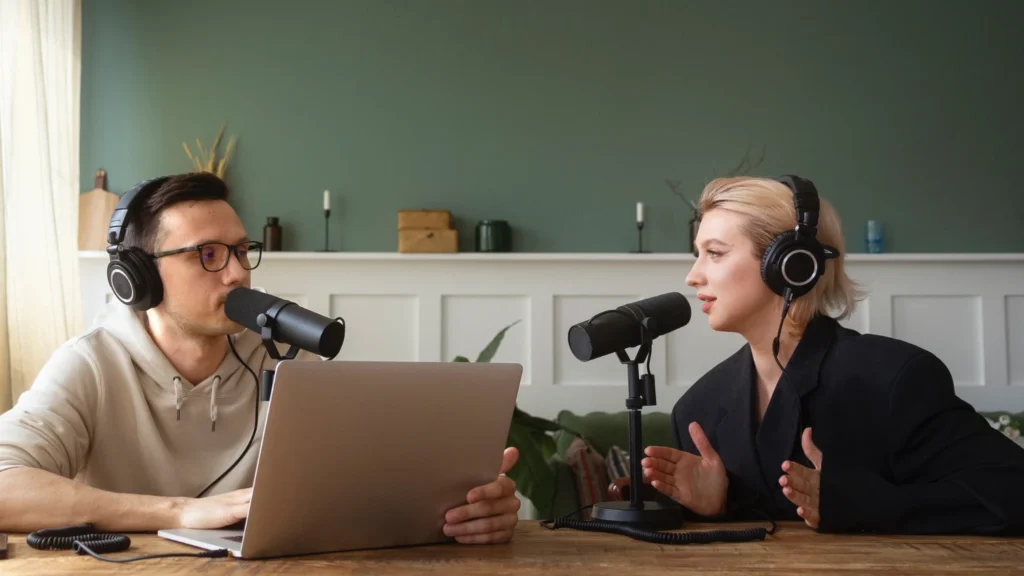
Have a listen to the latest Nexus Deep Dive podcast on the topic of English articles and how to use them.
今どれくらい理解できていますか?Nex-Botクイズを
受けて、どれだけ学んだかを確認しましょう!
ログインユーザーは、クイズを完了することで週に最大6ネクサス・パワー ザップを獲得できます!
